This is a telephone line over voltage protector.
This is basen on a design I did originally around 1995.
Has been available for almost 30 years.
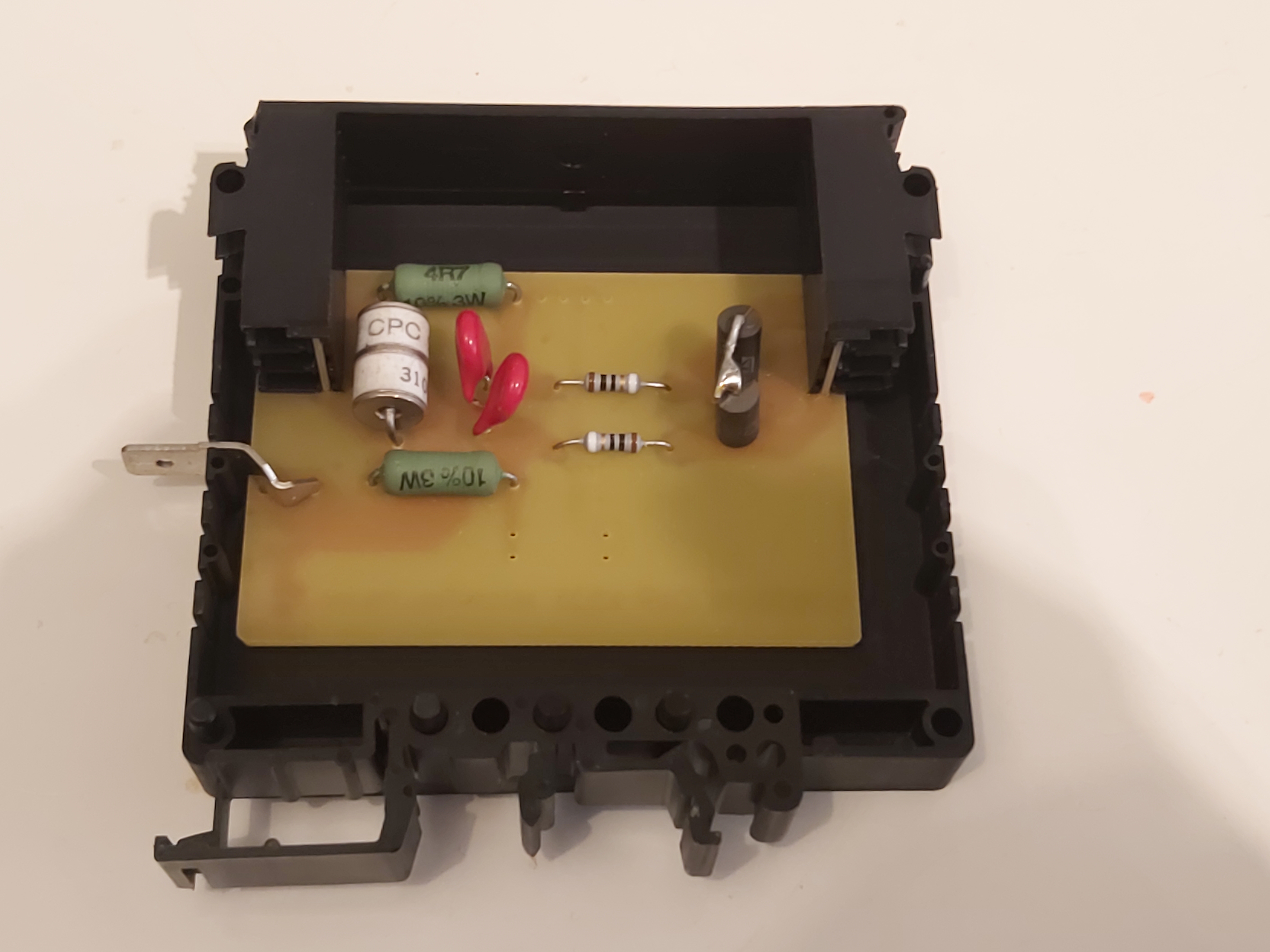
That white thing is a deal gas discharge tube over-voltage protector that dissipates most of the over-voltage surge. It is followed with two other layers of protection (VDR and surgector)
12 Comments
snow rider says:
This is a great breakdown of phone line over-voltage protection! The detailed explanation of surge protection methods and components like gas discharge tubes and MOVs is really useful. Keeping communication lines safe from voltage spikes is crucial, and this article does a fantastic job of explaining how to do it effectively.
Snow Rider 3D says:
hmmm, this is a great breakdown of phone line over-voltage protection
geometry dash says:
This paper provides excellent guidance on how to properly protect communication cables from voltage spikes, which is an important but sometimes overlooked topic.
Granny 2 says:
The post efficiently conveys a message that is both useful and valuable. You are quite generous in providing your viewers with this well-written and useful material.
Speed Stars says:
A very useful integrated circuit, it’s amazing..
Poor Bunny says:
The detailed explanation of surge protection methods and components like gas discharge tubes and MOVs is really useful.
Spanish dictionary says:
This is basen on a design I did originally around 1995.
Poor Bunny says:
This is basen on a design I did originally around 1995.
Spanish dictionary says:
This is a great breakdown of phone line over-voltage protection!
noomiclone says:
Great write-up on protecting phone lines from over-voltage events. The details on MOVs and gas discharge tubes were especially useful for anyone tinkering with telecom gear at home. I have been messing around with small electronics projects myself lately, mostly to unwind between rounds of noomiclone game, so this kind of practical protection advice is always welcome. Thanks for sharing the breakdown.
noillirk says:
Solid write up on protecting phone lines from over voltage. The part about clamping the line before it reaches the equipment was genuinely useful, and the explanations are clear enough for someone doing small home electronics projects. Lately I have been taking short breaks with a daily crowd guessing game called noillirk, so reading practical teardown notes like this is a nice change of pace. Thanks for sharing the details.
trackdash says:
Thanks for this write-up. The surge path on a POTS line is often underestimated, and a proper clamping stage plus a series resistor is what actually saves the modem front end. I keep a short checklist for this kind of fault tracing on trackdash.org and it has saved me more than once when a storm rolled through.